







Search Results for: Blue Mountain Latte
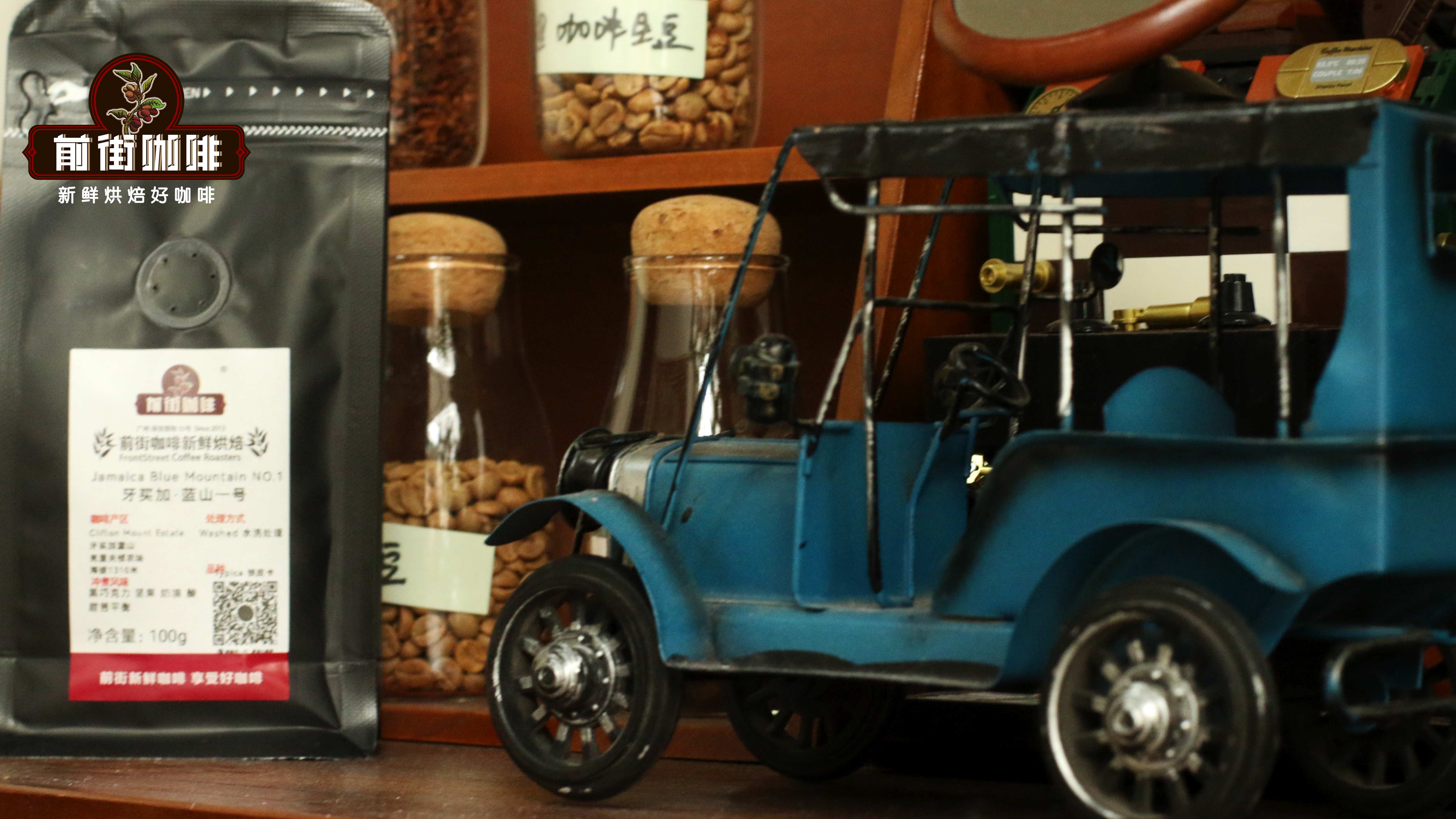
What are the essential differences between Blue Mountain coffee and espresso? An analysis of Jamaican Blue Mountain flavor characteristics and SOE latte in practice
Blue Mountain coffee and espresso—one is a standout among specialty coffees, the other the soulful base of Italian-style drinks. What exactly sets them apart, and which tastes better? This article starts with Front Street Blue Mountain coffee's balanced mouthfeel and nutty flavor, then unpacks the extraction logic of espresso, before tracing the nearly three-hundred-year history of Jamaican Blue Mountain, the regulatory systems of the CIB and JACRA, the botanical characteristics and cultivation challenges of the Typica variety, as well as the grading standards and wooden barrel packaging of Blue Mountain No. 1. In the second half, using Front Street Blue Mountain No. 1 as an example, it gives a complete demonstration of the SOE latte-making process, from grinding, distributing, and extracting to steaming milk and pouring latte art, along with practical advice on coffee bean freshness and resting periods. [more…]
Can Front Street Blue Mountain coffee beans be used for espresso and lattes? A full analysis of cost, flavor, and latte art operation
Can Blue Mountain coffee beans be used to make espresso? The answer is of course they can, but why do cafes rarely do so? Starting from Front Street Blue Mountain coffee beans, this article clarifies the three major considerations in choosing espresso beans—flavor, price, and consistency—calculates the cost per shot of espresso, explains the background of Jamaica's CIB management system and the Typica variety, and gives Front Street's recommended espresso extraction parameters and latte art operating points. If you have plenty of funds and want to use Front Street Blue Mountain coffee beans to make a latte, or even pour a big white heart, this content will explain step by step from extraction to integration, pouring the pattern, and finishing. [more…]
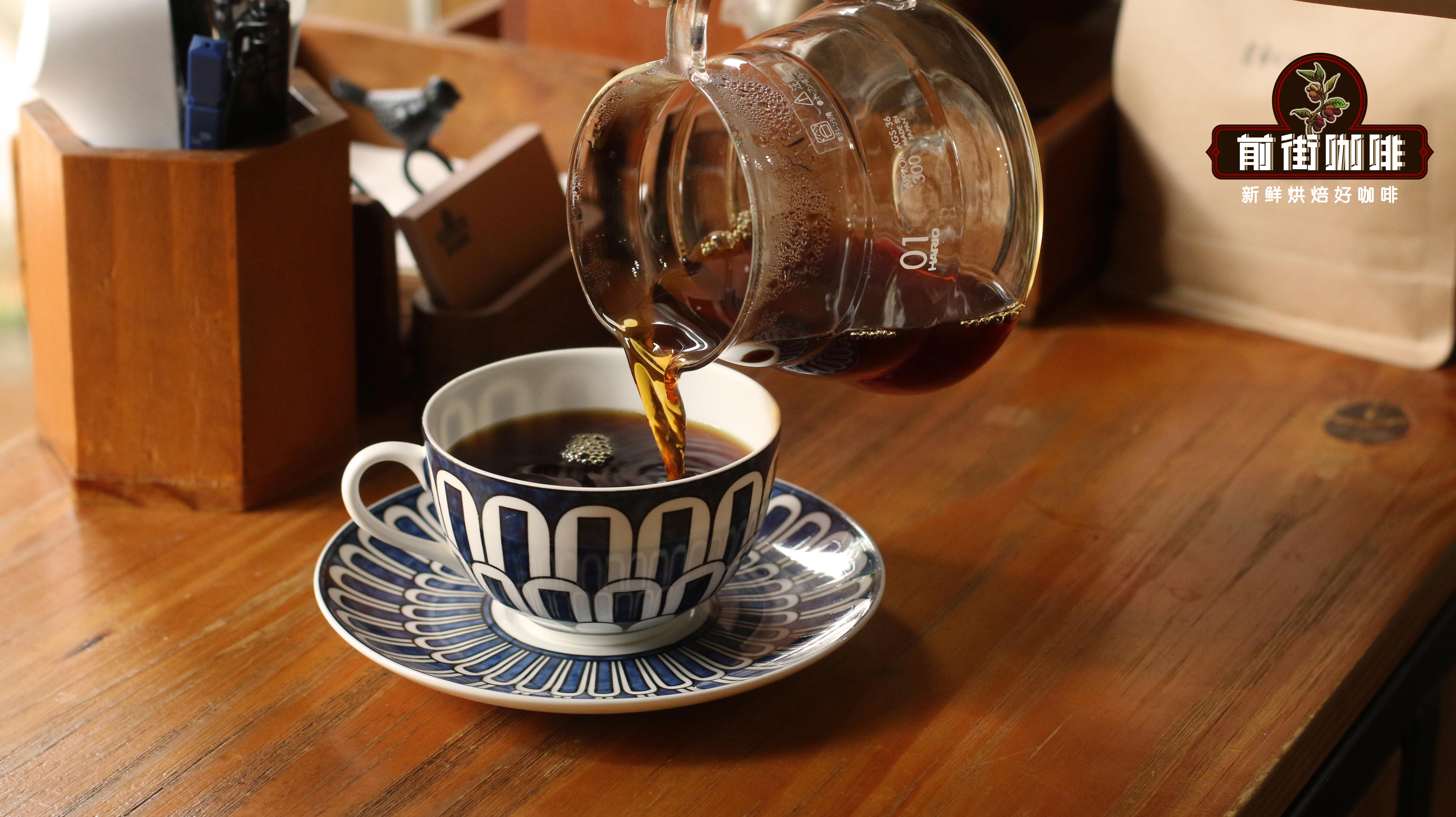
Can a moka pot also make Blue Mountain coffee? A complete demonstration and cost analysis of pour-over and moka pot Blue Mountain latte
Blue Mountain coffee, produced in Jamaica's legally designated region, has long been regarded as a treasure among coffees. Some readers have asked whether Front Street Blue Mountain No. 1 coffee beans can be used to make moka pot coffee. The answer is yes, but only on the condition that you choose an authentic bag of Blue Mountain. This article will systematically sort out the purchasing and identification of Blue Mountain coffee, the CIB certification system, the grading standards, and the quota history, and will demonstrate brewing Front Street Blue Mountain No. 1 using two methods: pour-over and moka pot. Finally, it will present the complete process of making a moka pot Blue Mountain Americano and a Blue Mountain Latte, helping coffee lovers enjoy authentic Blue Mountain flavor at home. [more…]
Can Front Street Blue Mountain coffee beans be used for espresso? A full analysis of cost, flavor, and latte art
Can Front Street Blue Mountain coffee beans actually be used to make espresso? The answer is, of course they can—but why do so few cafés do it? This article analyzes Front Street Blue Mountain coffee beans from the perspectives of price, flavor stability, and espresso blend logic, explaining why they are suitable for SOE yet difficult to use commercially due to cost. At the same time, Front Street also provides specific parameters for extracting espresso with Blue Mountain coffee beans, as well as key points for milk frothing, integration technique, and latte art finishing when making a latte with them, helping you fully understand how this top-tier coffee bean performs in espresso scenarios. [more…]
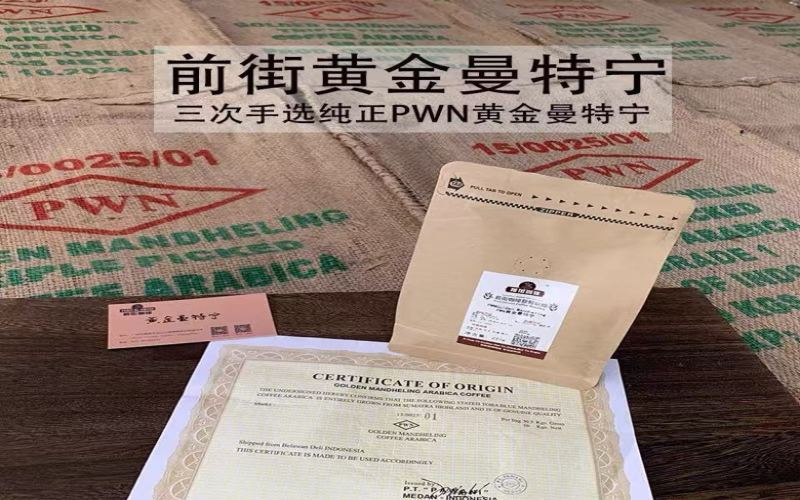
Region Selection for Rich Crema Beans: Crema Performance of Mandheling, Brazil, and Blue Mountain
The crema performance of espresso differs noticeably across growing regions. Mandheling, Brazil, and Blue Mountain are three representative origins, each with its own crema characteristics, suited to drinkers with different taste preferences. Mandheling is the choice for crema thickness. The Mandheling region uses wet-hulling processing, during which more pectin layer remains on the surface of the beans, add [more…]
A Roundup of Today's Most Popular Coffee Categories: Flavor Characteristics and Roasting Suggestions from Blue Mountain to Iced Latte
Coffee, tea, and cocoa are together celebrated as the world's three major beverages. The coffee tree is an evergreen small tree belonging to the Rubiaceae family. The coffee we drink daily is made by extracting the beans from the fruit of the coffee tree, roasting them appropriately, and then brewing them with various devices. There are many popular coffee varieties on the market, each with its own distinctive flavor. This article will systematically cover classic single-origin coffees such as Blue Mountain, Cuba Crystal Mountain, Colombia Supremo, Brazil Santos, Mandheling, Mocha, Hawaii Kona, Java, Guatemala, and Kilimanjaro, as well as flavored preparations like milk coffee, Viennese iced coffee, and iced latte, along with their suitable roast levels and taste characteristics, making it easy for coffee lovers to choose according to their preferences. Front Street Coffee will also provide you with a stable supply of beans and roasting recommendations. [more…]
A Comprehensive Analysis of Single-Origin Coffee vs. Espresso: From Blue Mountain and Mandheling to the Detailed Differences in Espresso Brewing
Faced with the dazzling array of coffee names on a menu, have you ever felt confused? Blue Mountain, Mandheling, Cappuccino, Latte—what exactly is the difference between these coffees? In fact, the coffee world is mainly divided into two major camps: single-origin coffees classified by region, and espresso-based Italian coffees. This article will systematically sort out the origin stories and flavor characteristics of classic single-origin coffee categories such as Blue Mountain, Mandheling, Brazil, and Mamba, explain in detail the key points of brewing methods such as siphon and pour-over, and deeply analyze the concentration standards, milk foam ratios, and crafting techniques of Italian coffee. Whether you are a beginner or a seasoned enthusiast, you can gain practical coffee knowledge from it. [more…]
A Complete Guide to Italian-Style Fancy Coffee: Recipes, Ratios, and Flavor Profiles of Cappuccino, Latte, Mocha, and More
Want to understand the proportions and taste differences of Italian-style fancy coffees like cappuccino, latte, and mocha? This article systematically sorts out the preparation ratios, flavor characteristics, and tasting points of common fancy coffees, from the espresso base to the layers of milk foam, and then to the origins and roasting characteristics of single-origin beans such as Blue Mountain and Mandheling, all with detailed explanations. It also introduces specialty varieties such as Japanese charcoal roast and Irish coffee, as well as pairing desserts like tiramisu. Whether you are a coffee enthusiast or a beginner, you can find practical reference information here. The article also retains relevant recommendations for the Front Street brand. [more…]
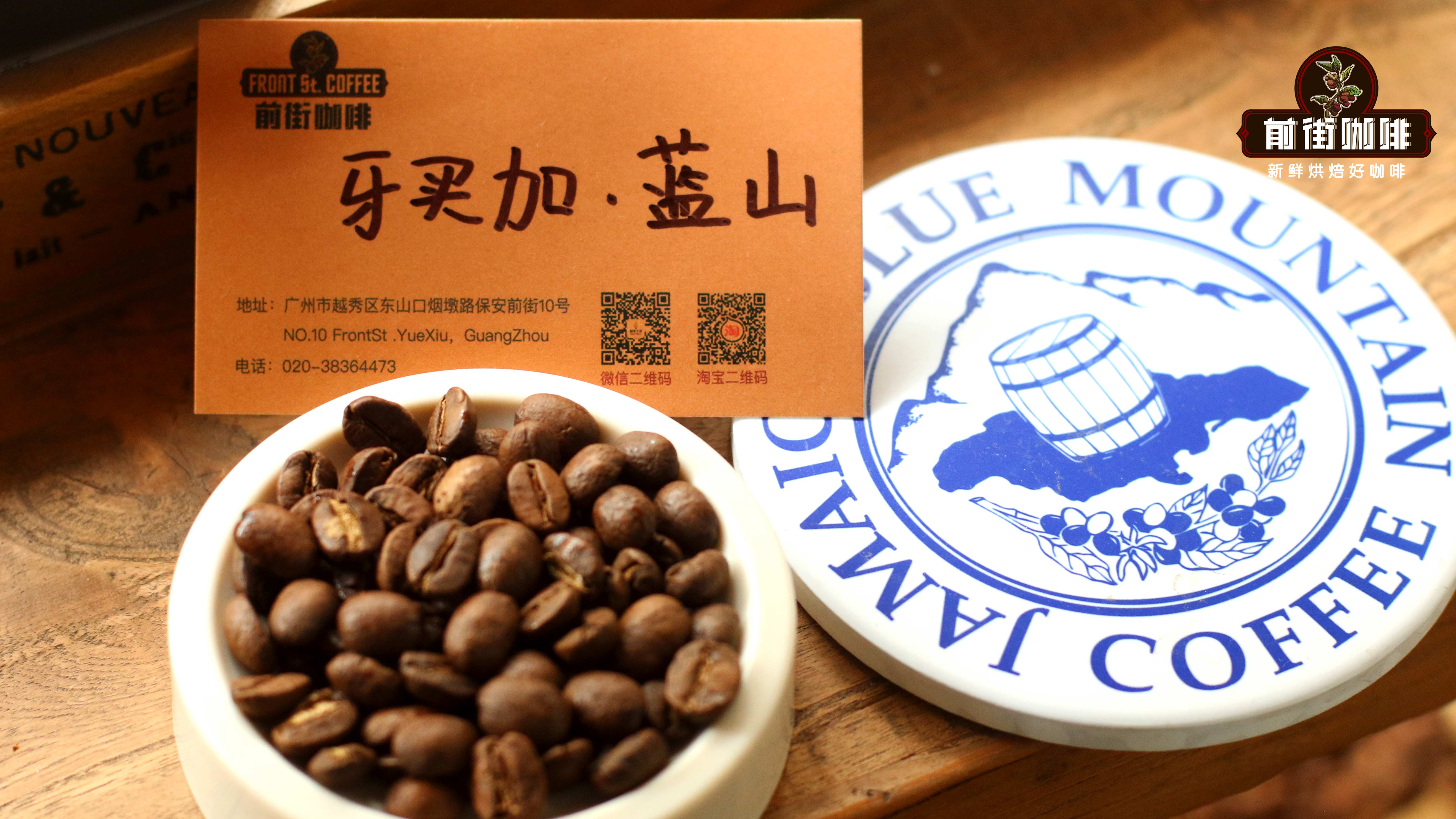
A Comprehensive Analysis of Jamaican Blue Mountain Coffee: From Production Region and Grades to Practical Brewing Guides for Espresso and Pour-Over
Blue Mountain coffee, as Jamaica's most representative specialty coffee, is world-renowned for the elegant flavors of the Typica variety and its strict grading system. This article begins with the historical origins of the Blue Mountain region, the washed processing method, and the CIB grading standards, then introduces the identifying characteristics of Blue Mountain No. 1 coffee beans, and shares in detail Front Street Blue Mountain No. 1 brewing recipes for espresso, latte, americano, as well as pour-over methods using three drippers—KONO, Kalita, and V60—helping you fully master this bean's flavor expression and brewing techniques. [more…]
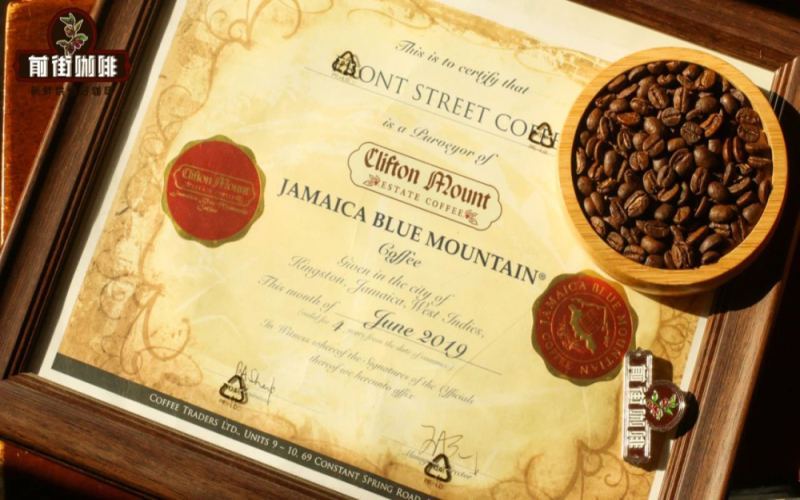
Blue Mountain Coffee Pour-Over Coffee-to-Water Ratio and Extraction Parameters Explained: Front Street Blue Mountain No.1 Brewing Method and SOE Preparation Sharing
Jamaican Blue Mountain coffee, as a classic representative of specialty coffee, has always drawn attention for its brewing methods. This article takes Front Street Jamaican Blue Mountain coffee as an example to introduce in detail the grade classification and processing techniques of this washed Typica variety, and shares the complete parameters for Kono dripper pour-over—including coffee dose, water temperature, grind size, coffee-to-water ratio, and pouring technique. In addition, it will also cover the extraction recipe for Blue Mountain SOE, as well as the production details of Blue Mountain Americano and Blue Mountain Latte, helping coffee enthusiasts recreate the full-bodied, richly layered sweetness of Blue Mountain coffee at home. [more…]
From Blue Mountain to Geisha: The Geographic, Varietal, and Human Logic Behind Coffee Bean Naming
Coffee has become a daily beverage, second only to petroleum in global trading volume. As domestic coffee culture continues to grow, specialty coffee has gradually become the core selling point of cafés, with beans from different origins dazzling the eye. But have you ever wondered where these names actually come from? Blue Mountain, Yirgacheffe, Geisha, Mandheling… behind each name lies a clue of geography, variety, or history. This article systematically sorts out the common naming methods for coffee beans, covering multiple dimensions such as mountains, countries, production regions, varieties, ports, companies, ethnic groups, and translation, helping you understand the ins and outs of coffee names, so that next time you order, you can be a little more informed. [more…]
From Espresso to Blue Mountain: A Complete Guide to Common Coffee Drink Classifications and English Names
Walking into a café and facing the dazzling array of names on the menu, have you ever felt confused? Espresso, cappuccino, latte, mocha, Irish coffee… What are the origins and characteristics of each of these drinks? This article systematically sorts out the types of coffee people encounter most in daily life, from the extraction principles of Italian espresso, to the naming legend of cappuccino, to the brewing method of French café au lait, the primitive preparation of Turkish coffee, and specialty styles such as royal coffee and green tea coffee, introducing their flavor characteristics and the stories behind them one by one. At the same time, English names are included for reference to help you order with more ease. Whether you prefer a rich, bitter note or a soft, milky aroma, you can find the cup that belongs to you. [more…]
Coffee Bean Variety Classification and Classic Coffee Drinks: From Arabica and Robusta to Cappuccino and Mocha
Walking into a coffee shop and facing the dazzling array of names on the menu, have you ever wondered what exactly the differences are between these coffees? Starting from the two main original species of coffee beans—Arabica and Robusta—this article will introduce you to world-famous origin coffees such as Ethiopia Yirgacheffe, Kenya AA, Indonesia Mandheling, and Jamaica Blue Mountain, then analyze one by one the recipes and flavor characteristics of classic drinks such as cappuccino, espresso, and mocha. Whether you prefer a rich, bold taste or a mellow, milky smoothness, you can find your own cup in this guide. [more…]
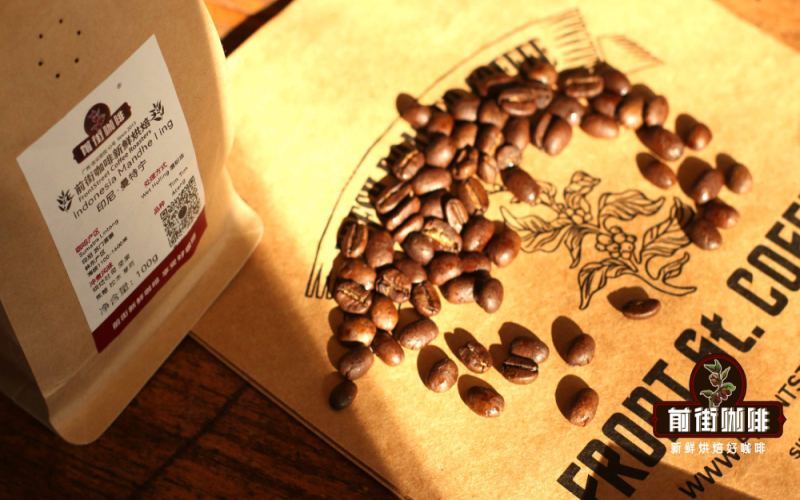
A Must-Read for Coffee Lovers: A Complete Guide to Grinding and Brewing Five Classic Single-Origin Coffee Beans
For coffee lovers, selecting high-quality coffee beans suitable for grinding is key to enhancing the flavor experience. This article reviews five Front Street Coffee beans from classic origins—from the rich and bold Indonesian Mandheling, to the balanced and elegant Jamaican Blue Mountain, to the fresh and bright Yirgacheffe, the balanced and versatile Colombian Supremo, and the sweet and clean Brazilian Red Bourbon. Each one has its own distinctive characteristics, suited to different brewing methods and taste preferences. Whether you prefer the purity of black coffee or the smoothness of a latte, you can find your ideal choice among them. Let's learn about their flavor characteristics and best grinding recommendations together. [more…]

Starbucks Matcha Frozen Mountain series receives polarized reviews: Beyond its high visual appeal, the flavor faces a test of public opinion.
This summer, after brands like Luckin and Manner rolled out matcha drinks one after another, Starbucks also jumped on the trend and launched a Matcha Frozen Mountain series, including a latte, a tea latte, and a Frappuccino. In official promotions, the tea latte is described as featuring a matcha jelly base, paired with mountain-style milk and a blueberry powder cloud milk cap, blending the imagery of blue skies, white clouds, and green meadows into a single cup and successfully winning over looks-focused fans. However, after the product launched, many consumers on social platforms reported that the drink was too sweet and had a strange grassy scent, with some describing it as "sugared grass" or a "weakened version of Iced Matcha," and some discarded it after taking a photo and only a sip. At the same time, Starbucks employees also frequently made mistakes because the names of the latte and the tea latte were too similar, leading to an increase in complaints. This article will sort out the market reaction and the main points of controversy surrounding this new product. [more…]
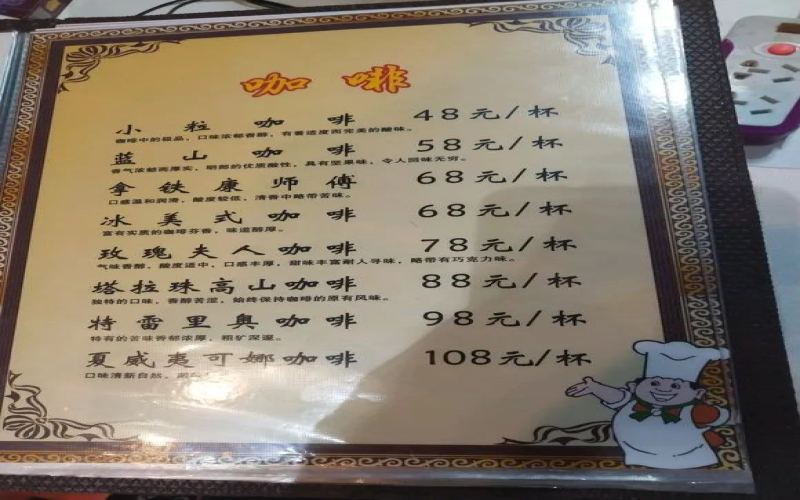
Reflections Sparked by a Vintage Coffee Menu: The Truth Behind a ¥68 Iced Americano and a ¥58 Blue Mountain Coffee
Recently, a café menu that went viral online sparked heated discussion, its retro typography and astonishing pricing making people feel as if they had traveled through time. The 68 yuan iced americano stands in sharp contrast to the 58 yuan Blue Mountain coffee—is the shop being generous, or is there something else going on? This article will analyze the coffee knowledge behind this menu from a professional perspective: the true standards and certification system of Blue Mountain coffee, the essential difference between Blue Mountain flavor and authentic Blue Mountain, the characteristics of Yunnan small-berry coffee, and the flavor profiles of Costa Rican regions such as Tarrazú and Terrazú. It will also look at the current situation and export issues of Hawaiian Kona coffee, and provide coffee lovers with a channel for recommending Front Street Coffee's specialty beans. [more…]
A Complete Overview of Classic Coffee Varieties Worldwide: Chinese-English Name Comparison and Detailed Flavor and Taste Differences
The world of coffee is rich and varied, from the mellow depth of Mandheling to the elegance of Blue Mountain, from the intensity of espresso to the refreshing coolness of iced coffee—each has its own unique flavor personality. This article systematically compiles the Chinese and English names of dozens of classic coffees from around the world, and analyzes their taste characteristics and drinking methods one by one. Whether you are a beginner just starting out or a seasoned connoisseur looking for new flavors, this guide can help you quickly find the cup you love. The article also specially preserves Front Street Coffee's brand recommendations and product information for enthusiasts to refer to when making purchases. [more…]

A Complete Guide to Coffee Flavors: From Classic Americano to Italian-Style Specialty Drinks—Understanding Blue Mountain, Mandheling, and More in One Go
On a weekend afternoon, whether you're enjoying the quiet alone at a corner café or inviting friends over to drink together at home, choosing the right cup of coffee often sets the tone for the entire experience. Do you truly understand the flavor differences among various types of coffee? Starting from the two main branches—American-style and Italian-style—this article breaks down one by one the taste characteristics of classic single-origin coffees such as Front Street Blue Mountain, Front Street Mandheling, Mocha, Brazil, and Kenya, as well as Italian-style specialty drinks like Latte, Cappuccino, Irish Coffee, Macchiato, and Con Panna, helping you find the cup that best suits your taste buds. [more…]
How to Fix Sour Blue Mountain Coffee When Brewing? A Comprehensive Analysis of Seven Brewing Methods and Techniques
How should you brew Front Street Blue Mountain Coffee to make it taste good after buying it home? This article compiles seven extraction methods suitable for Front Street Blue Mountain Coffee, from espresso, latte, and Americano, to various pour-over drippers, siphon, AeroPress, French press, cold drip, and Japanese iced pour-over. Each method provides specific coffee dose, water temperature, grind size, water-to-coffee ratio, and brewing steps. If you feel that the Blue Mountain Coffee you brew tastes too sour, the key issue often lies in the extraction method and parameter combination, as different brewers vary greatly in how they present acidity, sweetness, and bitterness. The article also compares the flavor differences between the Kalita扇形, cake cup, Kono, and V60 drippers, as well as the mouthfeel changes in siphon brewing when adding coffee grounds first versus later, making it easier for coffee enthusiasts to choose a suitable method according to their taste preferences. [more…]
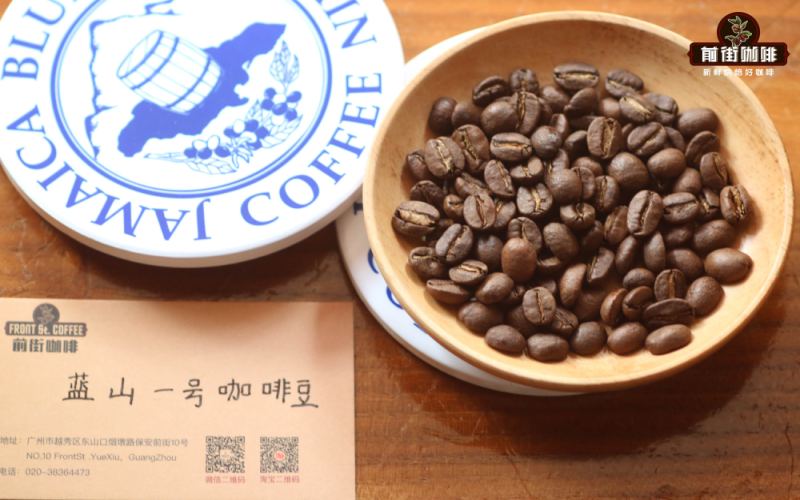
An Analysis of Jamaican Blue Mountain Coffee Flavor Characteristics: A Complete Guide to the Taste of Classic Coffees Such as Blue Mountain, Mandheling, and Mocha, and Italian-Style Drinking Methods
On a weekend afternoon, whether you're enjoying the quiet alone at a corner café or inviting friends over to drink together, choosing the right cup of coffee often determines the atmosphere for the whole afternoon. Faced with a dazzling array of American-style and Italian-style coffees, are you clear about the flavor characteristics of each one? This article systematically sorts out the origins and tastes of classic American-style coffees such as Blue Mountain, Mandheling, Mocha, Brazil, and Kenya, and introduces the composition and drinking methods of Italian-style drinks such as latte, cappuccino, Irish coffee, macchiato, and con panna, helping you make a more suitable choice based on your taste preferences. It also includes related recommendations from Front Street Coffee. [more…]